Massage Comparisons
Thai Massage vs Oil Massage
Compare Thai and oil massage across dry or oil techniques, stretching, pressure, clothing, movement, duration, preferences and availability.
Heaven Local Massage4 min read

A practical comparison of dry and oil techniques, stretching, pressure, clothing, movement, duration, preference and availability.
The Difference at a Glance
Thai massage is typically the drier, more movement-led option: you remain clothed while the practitioner uses measured compression, supported positions and assisted stretching. Oil massage uses oil for longer gliding movements, generally involves less stretching, and requires professional draping.
If you are comparing dry massage vs oil massage, start with the experience you prefer—not with assumptions about which one is “better.”
Technique, Oil, Pressure, Clothing, and Duration
These are general comparison points for a decision-stage guide. The chosen branch must confirm its exact protocol.
| Thai massage | Oil massage | |
|---|---|---|
| Medium | Usually dry, without massage oil. | Oil supports smoother, gliding hand movements. |
| Stretching | Assisted stretching and supported positions are more prominent. | Stretching is usually limited or omitted according to preference. |
| Pressure | Measured compression may be applied through clothing. | Flowing pressure is applied directly to professionally draped areas. |
| Clothing | Loose, comfortable clothing suits the movement-led format. | Changing and professional draping arrangements should be confirmed. |
| Movement | The client may be guided through a greater range of positions. | The client normally remains in fewer positions on the massage table. |
| Duration | current menu examples include 60 and 90 minutes. | current menu examples include 60, 90 and 120 minutes. |
Clothing and Oil Are Part of the Choice
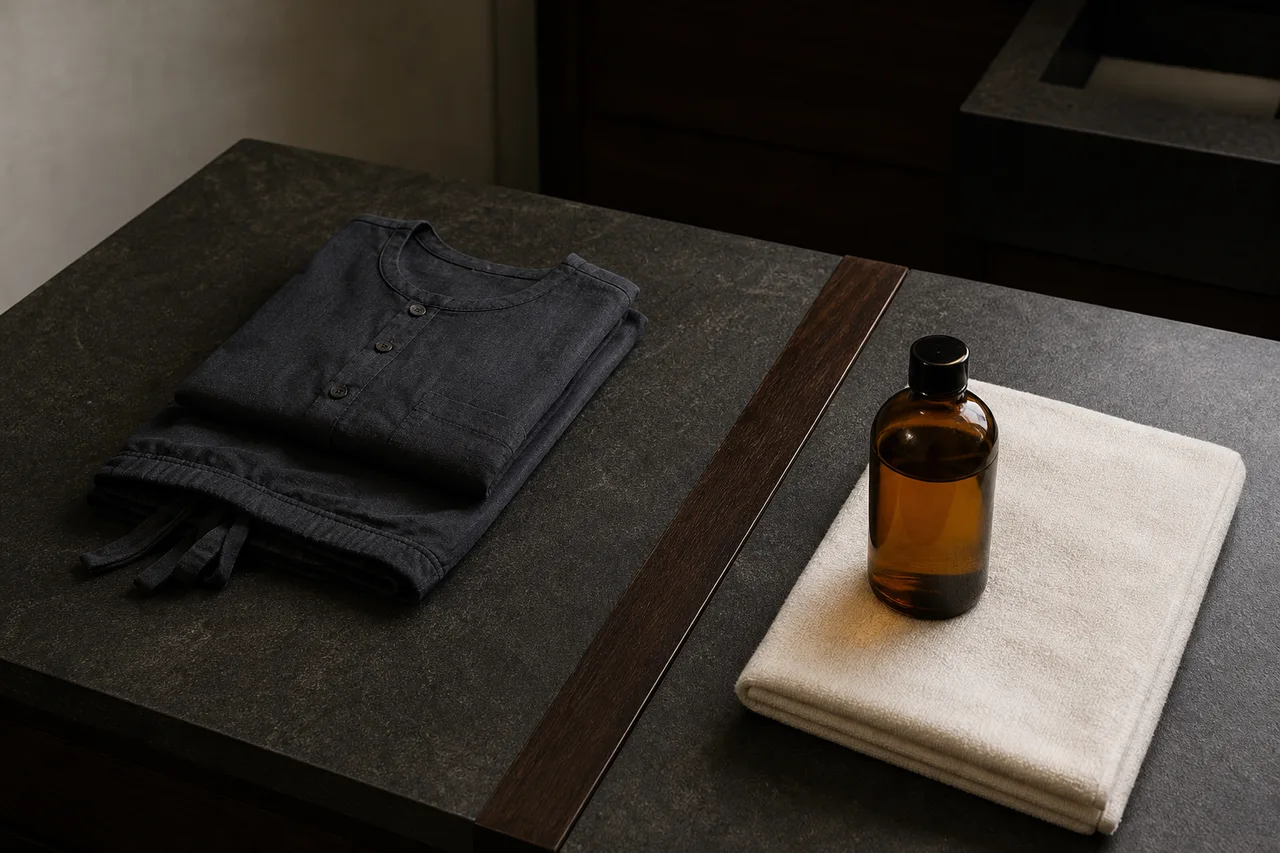
A dry session prioritises clothing that allows easy movement. An oil session changes the preparation: ask about oil ingredients, scent options, changing arrangements and professional draping.
Which Massage Should You Choose?
Choose according to the session rhythm, clothing and use of oil you prefer. This guide does not make medical suitability claims; share comfort needs directly with the booking team.
- Choose Thai massage if… You prefer to stay clothed, do not want oil, and enjoy a more active session rhythm with assisted movement. You can still ask to reduce or skip any stretch. Explore the Thai massage service
- Choose oil massage if… You prefer flowing hand techniques, less movement between positions, and an oil-based session. Ask about oil ingredients, scent and draping before booking. Explore the oil massage service
Prices and Heaven KL Locations
No final price or branch-level availability is asserted here. The service pages currently contain clearly marked current examples, while the central price page is the intended place for the approved menu.
- Price: Ask for the current branch price
- Duration: Commonly 60, 90 or 120 minutes
- Availability: Confirm for your preferred time
Frequently Asked Questions
Is Thai massage always dry?
Traditional Thai massage is commonly described as a dry, clothed and movement-led format. Some menus also use the phrase Thai oil massage for a separate oil-based variation, so check the exact service description before booking.
Which option includes more stretching?
The dry Thai format generally places more emphasis on assisted stretching and supported movement. The range should remain comfortable, and you can ask the practitioner to adapt or skip a movement at any time.
Is Thai massage stronger than oil massage?
Not necessarily. Pressure is a preference rather than a competition between techniques. Either format may be adapted, subject to the confirmed service protocol and practitioner availability.
What should I wear for each massage?
Loose clothing is usually practical for a dry, movement-led session. An oil massage normally uses professional draping. Your branch explains clothing, changing and draping before the session.
Which massage lasts longer?
Duration depends on the branch menu, not the technique alone. Sessions commonly range from 60 to 120 minutes; ask for the current durations and prices before booking.
Compare Services and Book
Read both service pages, decide which session style feels closer to your preference, then confirm the live menu, current price and genuine branch availability before booking.


